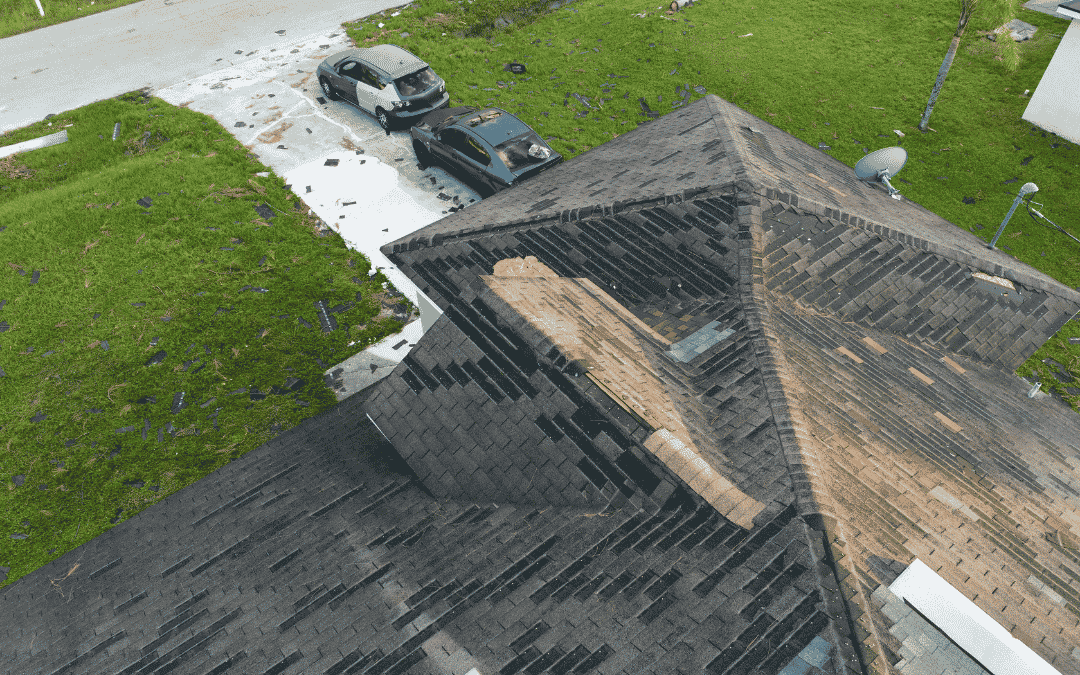
Why Roof Leak Repair Is So Important
A roof protects your home from rain, wind, heat, and harsh weather conditions year-round. Once water penetrates the roofing system, it can affect multiple parts of the home very quickly.
Ignoring a roof leak can lead to:
- Ceiling stains
- Mold and mildew growth
- Damaged insulation
- Rotting wood structures
- Electrical hazards
- Higher energy bills
- Interior water damage
- Structural weakening
Prompt roof leak repair helps stop water intrusion before the damage becomes more extensive and expensive.
Common Causes of Roof Leaks
Understanding what causes roof leaks can help homeowners identify problems early and schedule repairs before major damage occurs.
1. Damaged or Missing Shingles
Shingles are the first layer of protection against moisture. Over time, shingles can crack, curl, loosen, or blow away during storms.
When shingles become damaged or missing, water can seep beneath the roofing materials and enter the home.
2. Flashing Failures
Flashing is installed around chimneys, skylights, vents, and roof valleys to direct water away from vulnerable areas.
Cracked, rusted, or improperly installed flashing is one of the leading causes of roof leaking repair calls.
3. Clogged Gutters
Gutters play an important role in moving water away from the roof and foundation. When gutters become clogged with leaves and debris, water can back up onto the roof and seep under shingles.
Routine gutter cleaning helps reduce the risk of leaks and water damage.
4. Aging Roofing Materials
As roofs age, materials naturally deteriorate from exposure to sunlight, moisture, temperature changes, and severe weather.
Older roofs are more likely to develop leaks due to weakened shingles, worn sealants, and failing underlayment.
5. Storm and Wind Damage
Heavy rain, hail, strong winds, and fallen tree branches can all damage roofing materials and create openings for water intrusion.
After severe storms, homeowners should inspect their roofs for signs of damage and schedule professional inspections if needed.
Signs You May Need Roof Leak Repair
Some roof leaks are obvious, while others remain hidden until significant damage has already occurred.
Common warning signs include:
- Water stains on ceilings or walls
- Dripping water during rainstorms
- Mold or mildew odors
- Missing or damaged shingles
- Sagging ceiling areas
- Peeling paint
- Damp attic insulation
- Increased energy bills
Addressing these issues early can help prevent more serious structural damage.
Leaky Roof Repair Methods Used by Professionals
Professional roofing contractors use several methods depending on the source and severity of the leak.
1. Shingle Replacement
If the leak is caused by cracked or missing shingles, contractors remove the damaged materials and install new shingles to restore protection.
This is one of the most common forms of leaky roof repair for asphalt roofing systems.
2. Flashing Repair or Replacement
Damaged flashing around roof penetrations is carefully removed and replaced to create a watertight seal.
Proper flashing installation is critical for preventing future leaks.
3. Roof Sealant Application
Roofing sealants may be applied to small cracks, nail holes, or vulnerable areas where water intrusion is beginning.
Sealants are often used as part of minor roof leakage repair solutions but may not be sufficient for larger structural issues.
4. Roof Vent Repairs
Roof vents can develop cracks or deteriorated seals over time. Contractors inspect and repair these areas to stop water infiltration.
5. Underlayment Repairs
If water has penetrated beneath the roofing materials, the protective underlayment may also require replacement.
This deeper level of roof leaking repair helps restore long-term moisture protection.
How Professionals Repair a Leaking Roof
Homeowners often wonder how roofing experts properly repair a leaking roof for lasting results.
Professional roof repair typically involves several steps.
Step 1: Roof Inspection
The first step is identifying the true source of the leak. Water often travels along beams and surfaces before becoming visible inside the home.
Roofing professionals inspect:
- Shingles
- Flashing
- Roof valleys
- Vents
- Gutters
- Attic spaces
- Underlayment
A thorough inspection helps ensure the actual source of the leak is repaired.
Step 2: Damage Assessment
Once the source is identified, contractors evaluate the extent of water damage and determine whether repairs or partial replacement are necessary.
Step 3: Removal of Damaged Materials
Damaged shingles, flashing, sealants, or underlayment are removed carefully to prepare for repairs.
Step 4: Repair and Restoration
New materials are installed to restore waterproof protection and structural integrity.
Professional contractors ensure all repaired sections blend properly with the existing roof.
Step 5: Final Inspection
After repairs are completed, contractors perform a final inspection to verify the leak has been fully resolved and the roofing system is secure.
Roof Leakage Repair and Water Damage Prevention
Effective roof leakage repair is not just about fixing the visible leak. It also involves preventing future moisture problems.
Professional roofing contractors may recommend:
- Regular roof inspections
- Gutter maintenance
- Roof ventilation improvements
- Replacing aging materials
- Trimming overhanging tree branches
- Addressing attic moisture issues
Preventative maintenance helps extend roof lifespan and reduce future repair costs.
Can You Repair a Leaking Roof Yourself?
Some homeowners attempt DIY roof repairs for small issues, but roofing work can be dangerous and complicated.
Improper repairs may:
- Fail to stop the leak
- Cause additional damage
- Void roofing warranties
- Create safety risks
Professional roofers have the training, tools, and experience needed to safely identify and repair roofing problems correctly.
The Benefits of Professional Roof Leak Repair
Hiring experienced roofing professionals offers several important advantages.
1. Accurate Leak Detection
Professionals can locate hidden leaks that homeowners may overlook.
2. Long-Lasting Repairs
High-quality materials and proper installation techniques provide durable protection.
3. Improved Safety
Roof work involves climbing, lifting, and working on steep surfaces that can be hazardous without proper safety equipment.
4. Protection Against Future Damage
Professional repairs help prevent recurring leaks and ongoing water damage.
How Regular Roof Maintenance Helps
Routine roof maintenance is one of the best ways to avoid major leaks and expensive repairs.
Homeowners should:
- Schedule annual roof inspections
- Clean gutters regularly
- Remove debris from the roof
- Check for missing shingles
- Monitor attic moisture
- Address small issues promptly
Preventative care keeps roofing systems in better condition and reduces the likelihood of emergency repairs.
Final Thoughts
Fast and effective roof leak repair is essential for protecting your home from water damage, mold growth, and structural deterioration. Whether caused by storm damage, aging shingles, flashing problems, or clogged gutters, roof leaks should never be ignored.
Understanding common leak causes and recognizing early warning signs allows homeowners to act quickly before small issues become major problems. Professional leaky roof repair, roof leaking repair, and complete roof leakage repair services provide the long-term protection needed to maintain a safe and secure home.
If you notice signs of a roof leak, contacting an experienced roofing contractor as soon as possible can help protect your property, reduce repair costs, and restore confidence in your roofing system for years to come.