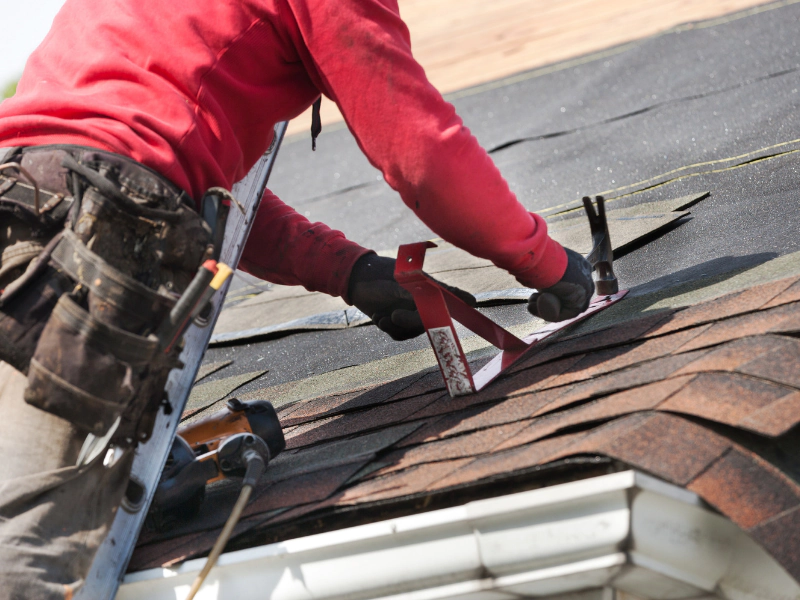
Inspect and Identify the Issue
The first step in any successful roof repair begins with a thorough inspection to pinpoint the exact problem. Many homeowners in Omaha discover issues after heavy spring rains or the freeze-thaw cycles that dominate Nebraska winters. Water stains on your ceiling, missing or curled shingles, and granules accumulating in gutters are telltale signs that your roof needs attention.
Start your inspection from inside your attic on a sunny day. Look for light streaming through cracks or gaps, which indicates holes or deterioration. Check for water stains, mold growth, or damp insulation, all of which point to active or previous leaks. Once you have identified potential problem areas from inside, you can move to the exterior inspection.
From the ground, use binoculars to scan your roofline for obvious damage such as missing shingles, sagging sections, or damaged flashing around chimneys and vents. If you feel comfortable safely accessing your roof, walk carefully to examine shingles up close. Look for cracked, buckled, or loose shingles. In Omaha, hail damage is particularly common during summer storms, leaving dents or cracks that compromise shingle integrity.
Pay special attention to valleys, edges, and areas around roof penetrations where leaks most frequently occur. These vulnerable spots bear the brunt of water flow and ice accumulation. While minor issues like a few loose shingles may be suitable for DIY repair, widespread damage, structural sagging, or leaks you cannot locate often require professional roof repair services. Knowing the difference between a manageable repair and a job for trained professionals saves time, money, and prevents further damage.
Assemble the Right Tools and Materials
Proper preparation is essential for a successful roof repair. Having the right tools and materials on hand before you begin ensures efficiency and safety. Your first priority should be safety equipment: a properly rated fall protection harness, non-slip shoes with good traction, safety glasses, and work gloves. Never compromise on safety gear, regardless of how minor the repair appears.
For the repair itself, you will need a sturdy extension ladder that extends at least three feet above the roofline, a pry bar or flat shovel for removing damaged shingles, a hammer or pneumatic nail gun, roofing nails (typically 1.25 to 1.5 inches for standard shingles), a utility knife with extra blades, and a caulking gun. If you are working with asphalt shingles, which are most common in residential applications, you will also need roofing cement or sealant specifically designed for shingle roof replacement and repairs.
When selecting replacement shingles, try to match your existing roof as closely as possible in color, style, and quality. Architectural shingles offer superior durability compared to basic three-tab shingles and hold up better to Omaha’s climate extremes. If your roof features metal roofing or other specialized materials, you may need different fasteners and sealants; consult manufacturer specifications to ensure compatibility.
For flashing repairs around chimneys, vents, or skylights, purchase pre-formed metal flashing or roll flashing that can be cut to size. Quality materials matter significantly in Nebraska, where temperature swings and moisture cycles test every component. Investing in durable products from reputable suppliers reduces the likelihood of repeat repairs. Local hardware stores and roofing supply centers can provide guidance on products proven to perform well in the regional climate. Transparent pricing and quality materials are hallmarks of trustworthy suppliers and roofing companies alike.
Prioritize Safety Above All Else
Safety must be your top concern before attempting any roof repair. Falls from roofs are among the most common and serious home improvement injuries. Before you climb onto your roof, assess the weather conditions carefully. Never work on a roof during rain, high winds, or when temperatures are near or below freezing. In Omaha, spring weather can shift rapidly, so check forecasts thoroughly and plan your work during stable conditions.
Position your ladder on firm, level ground and secure it at the top to prevent shifting. The ladder should extend at least three feet above the roof edge to provide a safe handhold when mounting and dismounting. Always maintain three points of contact when climbing. If your roof pitch exceeds 6:12 (six inches of rise per twelve inches of horizontal run), consider the slope too steep for safe DIY work without specialized equipment and training.
Wear your fall protection harness and anchor it properly to a secure structural component, not to a vent pipe or chimney that could dislodge. Rubber-soled shoes with good grip prevent slipping, especially on composite or metal roofing surfaces that become slick when damp or covered with morning dew. Keep your work area clear of debris, tools, and materials that could cause trips or falls.
Recognize when conditions make DIY repair unsafe. Ice accumulation, even in small patches, creates lethal conditions. High winds can destabilize your balance and send tools or materials tumbling. If you feel uncomfortable at any point, or if the repair requires working in precarious positions, professional roof repair services have the training, equipment, and insurance to complete the work safely. There is no shame in acknowledging that some repairs exceed DIY capabilities. Experienced professionals work on roofs daily and understand how to mitigate risks that would be dangerous for occasional climbers. Prioritizing safety protects you and your family, and sometimes the safest decision is to call for professional assistance.
Perform the Repair with Precision
Once you have identified the problem, gathered your materials, and confirmed safe working conditions, you are ready to execute the repair. The specific technique depends on the type of damage you are addressing. For replacing damaged or missing asphalt shingles, begin by carefully lifting the edges of the shingles above the damaged one using a pry bar. Remove the nails securing the damaged shingle, then slide it out. If the shingle is simply cracked and still in place, you may be able to apply roofing cement underneath and press it flat, securing it with additional nails.
When installing a new shingle, slide it into position so it aligns with the surrounding shingles. Lift the shingles above and secure the top edge of the new shingle with four roofing nails, positioned just below the adhesive strip. Press the shingles above back down and apply a small amount of roofing cement under the lifted edges to reseal them. This process works well for localized damage, but if you are replacing multiple shingles across a large area, you may be approaching the threshold where full shingle roof replacement becomes more practical and cost-effective.
For leaks around flashing (the metal strips around chimneys, vents, and roof valleys), inspect the flashing for rust, cracks, or separation from the roof surface. Small gaps can often be sealed with roofing cement or a high-quality polyurethane sealant. Apply the sealant generously to fill the gap, then smooth it with a putty knife. If the flashing is severely corroded or damaged, it will need to be replaced entirely, which is more complex and may warrant professional assistance. In Omaha’s freeze-thaw cycles, using quality flashing and sealants ensures water does not seep back under new shingles when temperatures fluctuate.
For small punctures or nail holes, clean the area thoroughly, apply roofing cement, and press a patch of matching shingle material or roofing membrane into the cement. Smooth it flat and ensure it is fully adhered. For larger holes or structural damage, DIY repairs are often insufficient; these situations typically require a professional roofing company with the skills and materials to address underlying structural issues. If your roof includes metal roofing panels, repairs require different fasteners and sealants compatible with metal. Metal roofs are durable but can develop leaks at seams and fastener points, and improper repairs can void warranties. Always follow manufacturer guidelines for your specific roofing material.
Inspect Your Work and Maintain Long-Term
After completing your repair, take time to inspect your work carefully. Check that all new shingles are securely fastened, with nails driven flush but not overdriven, which can tear the shingle. Verify that sealant is applied smoothly and completely covers any gaps or seams. From inside your attic, monitor the repaired area during the next rainstorm to confirm that the leak has been resolved. If water still appears, you may need to revisit the repair or investigate whether the leak originates from a different location.
Ongoing maintenance is critical to extending the life of your roof and minimizing future repairs. In Omaha, spring inspections after winter are essential because ice dams and wind damage are common. Ice dams form when heat escaping through your roof melts snow, which then refreezes at the eaves, forcing water back under shingles. Proper attic insulation and ventilation reduce this risk, but vigilant inspection catches problems early. Check your roof and attic after major storms, high winds, or heavy snow to identify damage before it worsens.
Clean your gutters at least twice a year, in spring and fall, to ensure proper water drainage. Clogged gutters cause water to back up under shingles and along fascia boards, leading to rot and leaks. Gutter installation services and regular cleaning prevent costly water damage. Trim overhanging tree branches to reduce debris accumulation and prevent branches from scraping or falling onto your roof during storms.
Keep an eye on the overall condition of your roof as it ages. Asphalt shingles typically last 20 to 30 years, depending on quality and environmental factors. If you find yourself making frequent repairs, or if large sections of your roof show wear, a professional inspection can help you determine whether isolated repairs remain cost-effective or whether a roof replacement company should evaluate your options. Replacing a roof proactively is often less expensive than allowing deterioration to damage underlying structures, which can lead to extensive interior repairs. Vinyl siding installers and fiber cement siding installation professionals often coordinate with roofing services to ensure your home’s entire exterior envelope is weather-tight and energy-efficient.
If you are unsure about any step in this process, or if your inspection reveals damage beyond your comfort level to repair, professional roofing services provide the expertise and equipment to assess and address problems safely and effectively. Many companies offer free estimates and inspections, giving you a clear understanding of your options without obligation. Taking care of your roof protects your home, your investment, and your family, whether through diligent DIY maintenance or by knowing when to call in trained professionals.